Case Analysis in Environmental Litigation: Why It Matters
Environmental court battles can look like dense forests of statutes, science, and public opinion.
Case analysis — the lawyer’s craft of dissecting past decisions to guide present strategy — is the best compass we have for that terrain. This post unpacks what case analysis is, why it is uniquely vital in environmental practice, and how to wield it to your advantage (with a sprinkle of humor to keep things lively).
What Is “Case Analysis” Anyway?
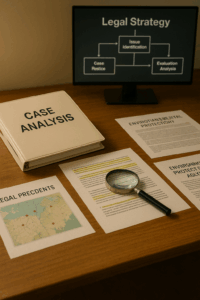
Think Sherlock Holmes with a stack of law reports instead of a magnifying glass. Case analysis means collecting the facts, holdings, and reasoning of relevant decisions, then testing how those
building blocks (facts + law + outcome) apply to today’s dispute. It is iterative — you revisit your research each time the facts shift, new evidence arrives, or fresh precedent drops into your inbox.
Further reading: Decision‑Tree Analysis in Litigation — The Basics.
Why Environmental Cases Demand Robust Case Analysis
1 · Complex Science Meets Complex Law
From PFAS toxicology to climate modelling, environmental disputes hinge on expert evidence. Pennsylvania’s Environmental Hearing Board has warned that proceeding without experts is “an
uphill battle.”
Experts Are Key to Success in Environmental Litigation.
2 · A Web of Federal & State Statutes
Clean Air Act, NEPA, RCRA, Endangered Species Act — often all in the same case. Case analysis clarifies how courts reconcile conflicts and allocate jurisdiction.
3 · Ever‑Shifting Precedent
The Supreme Court’s
Loper Bright v. Raimondo (2024) scrapped four decades of
Chem Chevron deference, instantly changing how lower courts review agency rules. Miss that precedent shift and you may be arguing yesterday’s law tomorrow morning.
Six Big Advantages of Case Analysis
1 · Informed Strategy, Not Guesswork
Past rulings expose what arguments triumphed or tanked. A systematic review can even quantify risk (
Decision Analysis Inc. specializes in this).
2 · Credible, Precedent‑Backed Advocacy
Judges trust arguments anchored in earlier decisions; opposing counsel respects them too.
3 · Risk Forecasting & Settlement Leverage
Knowing that the
Exxon Valdez punitives were slashed helps both sides model realistic negotiating brackets.
4 · Keeping Pace with Doctrinal Change
After
Massachusetts v. EPA (2007), litigators worldwide pivoted to Clean Air Act climate strategies; staying current let them surf the wave, not wipe out.
5 · Enhanced Professional Reputation
Citing the right precedent signals preparation and earns judicial goodwill.
6 · Innovation Inside Legal Bounds
Gap‑spotting in the caselaw sparks creative theories (think public‑trust or human‑rights angles in climate suits). See Earth.Org’s
Climate Litigation Explainer.
Case Analysis in Action: Four Illustrative Battles
1 · Massachusetts v. EPA — Launching Federal Climate Regulation
By marshaling administrative‑law precedents and century‑old standing cases, petitioners convinced SCOTUS that greenhouse gases are “air pollutants.”
SCOTUSblog breakdown.
2 · Wetlands Wars: From Rapanos to Sackett II
The Court’s 2023 ruling finally narrowed federal jurisdiction, flipping years of “significant nexus” analysis. Developers and environmental NGOs alike rewrote playbooks overnight.
3 · Oil‑Spill Showdowns: Exxon Valdez vs. Deepwater Horizon
Exxon’s punitive‑damages cap informed BP’s strategy and settlement posture. Details in
LawInfo’s comparison.
4 · Environmental Justice Pioneers
Early Title VI suits like
Chester Residents v. Seif laid groundwork even as federal remedies narrowed. Full article:
“The Role of Title VI in Chester”.
Best Practices for Bulletproof Case Analysis
- Start broad, then narrow. Survey nationwide decisions; zoom into binding authority last.
- Run citator checks before citing — no stale law allowed.
- Study both sides. Find unfavorable cases early and prepare to distinguish them.
- Provide context. Quote holdings accurately; no cherry‑picking.
- Avoid analysis paralysis. Perfect is the enemy of timely filing.
Conclusion: Your GPS for the Green‑Law Frontier
Environmental litigation sits at the intersection of science, policy, and public scrutiny. Case analysis is the GPS that stops you getting lost — and occasionally reroutes you when the Supreme Court changes all the road signs overnight. Use it to craft informed strategy, bolster credibility, and even innovate responsibly. Whether you are safeguarding a wetland, defending a pipeline permit, or charting the next climate lawsuit, let past precedent light the path forward.
Ready to level‑up your research? Start by bookmarking the links above, subscribe to real‑time citator alerts, and build a workspace for continuous precedent tracking. Your clients — and the planet — will thank you.